

White & Awakening
Mindfulness Practices for Exploring and Disrupting the Impact of White Conditioning
with Crystal A. Johnson, PhD
In this course, produced in collaboration with the East Bay Meditation Center, we will use mindfulness practice, reflection and inquiry, and the teachings of the Buddha to investigate the ways in which the conditioning of whiteness creates a barrier to our own freedom, alienating us from ourselves and others. We will seek to uncover the deep nourishment and connection that arise from sustained practice, inspired not just by the urgency of the moment but by our shared commitment to the long journey to freedom.
Reflections from Past Participants
About the Course
This is a self-paced, on-demand course for self-identified white folx and those for whom whiteness is a significant part of their identity. The course walks the learner through the historical creation of whiteness and how it operates systemically and offers exercises, techniques, and mindfulness practices for working with the difficult emotions that arise when exploring racial conditioning. The course offers learners an opportunity to reflect on their own experiences of whiteness and offers a framework and strategies for addressing the harm that arises through microaggressions and other types of interpersonal interactions. The course is designed to offer an introduction or a refresher for white people to strengthen their knowledge and skills for building relationships in diverse communities.
Participants may take the course on their own or with a group of peers and do the exercises and discussions together.
The course includes recorded videos with related readings, video resources, meditation instructions, and prompts for journaling, discussion, and other suggested exercises. The course is taught from a Buddhist perspective, though it makes use of other frameworks as needed. Material is presented in language that is designed to be accessible to those who are not familiar with Buddhist teachings. Key Buddhist teachings include the Four Noble Truths, ethical conduct, non-self, impermanence, and compassion.
What You'll Practice
- Explore racial conditioning with honesty, care, and resilience
- How whiteness was historically created and how it continues to shape systems and relationships today
- Reflective exercises, guided meditations, and real-life applications you can practice on your own or with peers
- Mindfulness based strategies to work with discomfort, defensiveness, and other difficult emotions
- Mindfulness- and compassion-based skills to enhance self-awareness, emotional regulation, and cultural humility in support of effective cross-cultural care
This Course is for You if:
- You are looking to deepen your anti-racist involvement through a Buddhist perspective
- You identify as white or whiteness is a meaningful part of your lived experience
- You want to deepen your understanding of racial harm and your role in healing it
- You are looking for an anti-racist learning space grounded in compassion, awareness, and accountability
- You are curious about a Buddhist approach that honors both personal and collective liberation
- You are ready to move beyond defensiveness and into thoughtful, sustained engagement
- You are a healthcare professional seeking evidence-based mindfulness tools to reduce bias and enhance equity in client care
What You Receive
10 hrs of Video Teachings
8 Guided meditations
Readings, Self-Inquiry, and Integration Practices
Live Community Question & Response Sessions
Lifetime Access to Course
Course Syllabus
- Welcome and Introduction
- Land Acknowledgment
- Practice: Mindfulness of Intentions
- Inquiry: Reflection on Intentions
- Guidelines for Group Discussions
- Things Are Not As They Seem
- Practice: Agreements for Multicultural Interactions
- Inquiry: Applying the Agreements for Multicultural Interactions
- The Story of Whiteness
- The Story of Whiteness: Slave Trade
- Learning to be White
- Inquiry: Reflections on Whiteness
- Practice: Personal Stories of Whiteness
- The Four Levels of Systemic Racism
- Systemic Racism Defined
- Inquiry: Privilege
- Practice: Introduction to RAIN
- Practice: Guided RAIN Meditation
- Ways We Defend the “Good White Self”
- Components of Experience
- Inquiry
- Intro to Self-Compassion
- Practice: Self-Compassion
- Turning Toward Suffering
- A Framework for Freedom / Values in Action
- Inquiry
- Intro to Microaggressions
- Unpacking Microaggressions
- Practice: Pause, Relax, Open
- How to apologize
- Inquiry
- How to Respond When You Are Called Out
- Calling Other White People In
- What now?
- Inquiry
- Practice: Takeaways & Commitments
- Closing & Dedication of Merit
Meet The Teacher
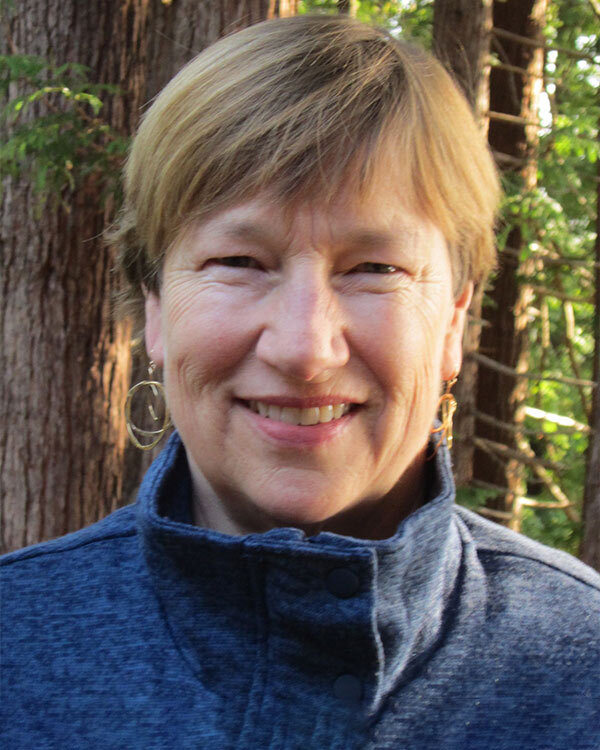
Crystal A. Johnson, PhD
White & Awakening
Crystal is a retired clinical psychologist, Dharma practitioner, and teacher who has co-created, and co-teaches programs for white Dharma practitioners seeking to build awareness, knowledge and skills to challenge the dynamics of white privilege and race-based oppression, and to create truly diverse Sangha.
Programs include White and Awakening in Sangha, a six month program at the East Bay Meditation Center in Oakland, CA, Interconnected: Challenging Racism and White Privilege with Mindfulness and Compassion, an 8 session course at the San Francisco Zen Center, and Unpacking the Whiteness of Leadership, a 6 session course offered for Branching Streams, a network of affiliate Dharma centers and Sanghas in the Zen lineage of Shunryu Suzuki Roshi.
She also consults to (white-dominated) organizations and individuals seeking to identify and address barriers to racial equity embedded in organizational culture, policies and practices. She is currently on the Leadership Sangha (board) and part of the Radical Inclusivity Committee of the East Bay Meditation Center in Oakland, CA.
Practices for Unlearning Patterns of Whiteness
- Guided mindfulness practices for exploring the impacts of white conditioning
- Teachings and reflections on privilege, harm, and responsibility
- Inquiry prompts and journaling for deeper personal awareness
- Tools for disrupting racial conditioning with clarity and compassion
- Lifetime access to all practices and teachings
$110
Add-ons (Optional)
You can add during checkout
Continuing Education
10 CE Credits – $100
This program offers 10 homestudy CE credits/contact hours for $100, applicable for psychologists, California-licensed MFTs, LCSWs, LEPs, LPCCs, nurses, and chiropractors, and may be applicable for other licenses. Please review our Continuing Education information page to determine if your association or board will accept credits offered by Spirit Rock.
This program is relevant to healthcare professionals who seek to enhance cultural competence and provide equitable care. By engaging in structured self-reflection and evidence-based mindfulness practices, clinicians strengthen their ability to recognize and address biases, reduce microaggressions, and repair interpersonal ruptures. Participation supports clinician well-being (by offering strategies to regulate difficult emotions that arise in conversations about race) and client well-being (through compassionate, culturally responsive approaches to cross-cultural interactions). These skills align with multicultural guidelines and directly support clinical effectiveness in diverse professional contexts. The course integrates frameworks drawn from Buddhist psychology—such as compassion, impermanence, and ethical reflection—presented in clinically accessible language, providing additional tools for fostering empathy, mindfulness, and inclusivity in professional practice.
Teachings are appropriate for health care professionals as well as the general public.
Learning Objectives for participating health care professionals-
At the end of the program, you will be better able to:
- Describe whiteness as a socially constructed and conditioned identity and explain how intersecting factors such as gender, class, and ability influence perception, relational dynamics, and the therapeutic relationship.
- Apply mindfulness-based awareness and compassion practices to regulate shame, guilt, defensiveness, and other difficult emotions that arise in racial dialogues, in order to maintain therapeutic effectiveness and ethical presence.
- Demonstrate culturally responsive and mindful communication approaches that foster cultural humility, emphasize active listening, and strengthen alliance across diverse clients and professional contexts.
- Analyze the ethical implications of racial bias and microaggressions within clinical or organizational settings and implement mindfulness-informed strategies for acknowledgment, repair, and prevention.
- Discuss how systemic racism and historical conditioning contribute to psychological distress, alienation, and health inequities, and identify mindfulness-informed ways clinicians can address these dynamics within their professional scope.
- List and utilize mindfulness-consistent strategies—such as embodied awareness, pause-relax-open, and mindful repair—that parallel evidence-supported rupture-and-repair and microintervention practices.
- Describe mindfulness-based approaches for engaging other White individuals or colleagues in reflective conversations that interrupt racial harm and support inclusion within clinical, educational, and organizational settings.
- Identify and compile ethically grounded, scope-consistent individual, interpersonal, and systems-level actions that integrate awareness, compassion, and accountability to reduce racism’s impact within healthcare and community care environments.
Continuing Education Content level: Introductory
Note:
- For full Provider information and additional CE information, including attendance requirements, cancellation, and grievance policies, please visit our Continuing Education Credit information page.
- For those with a different license than listed above, or with a license from a different board or association than listed on our CE info page, please contact your licensing board or association directly to request pre-approval/acceptance of CE credits offered at Spirit Rock. Spirit Rock does not confirm the applicability of credit for those with licenses other than those listed.
- Continuing Education is sponsored by Mindful CECs.
- Mindful CECs is approved by the American Psychological Association to sponsor continuing education for psychologists. Mindful CECs maintains responsibility for this program and its content.
- Co-sponsor Mindful CECs is a provider approved by the California Board of Registered Nursing, Provider Number CEP17985 for 10 contact hours.
- Potential Conflict of Interest Statement: This instructor may have authored publications relevant to the subjects covered in this course. The instructor might reference these publications during the course, and they may receive financial compensation if these publications are purchased.
- Attendance is demonstrated through a comprehensive assessment at the end of the course, with a passing criterion of at least a 75% percent score. The assessment may be repeated if necessary.
Frequently Asked Questions
How do I access my program on the Online Learning Platform?
Although our Programs are available on any device, we suggest using a computer (if possible) and Chrome or Firefox browser to log in: https://courses.spiritrock.org
To access the course:
• Use a computer and the Chrome or Firefox browser to log in at courses.spiritrock.org.
• Please note: Your login for the Online Learning Platform is separate from your Spirit Rock website login.
• Once logged in, your dashboard will display all your enrolled courses.
• Click on your program, then use the menu on the left to navigate through course sections.
How can I best view the content?
Although the Online Learning Platform works on mobile and tablet devices, for the best experience, use a desktop or laptop. This might be an easier way to find all the areas of the site as you are learning how it works.
What is the course format?
All of our on-demand courses are offered in a flexible self-study format, so you can access the materials whenever is good for you. Readings, video, audio, and all resources are structured for sequential access in our Online Learning Platform.
Can I participate from a different time zone?
Yes of course! We have students from all over the world participate in our courses. These self-paced study and practice courses are available wherever you are in the world, and whenever works best for you.
How long will I have access to the course?
You have lifetime access to the course and all materials.
I have more questions. Can you help me?
Yes! Please email us at courses@spiritrock.org with any questions that you might have.